
Responding to our changing world
Giving ourselves space to grieve while keeping our resolve
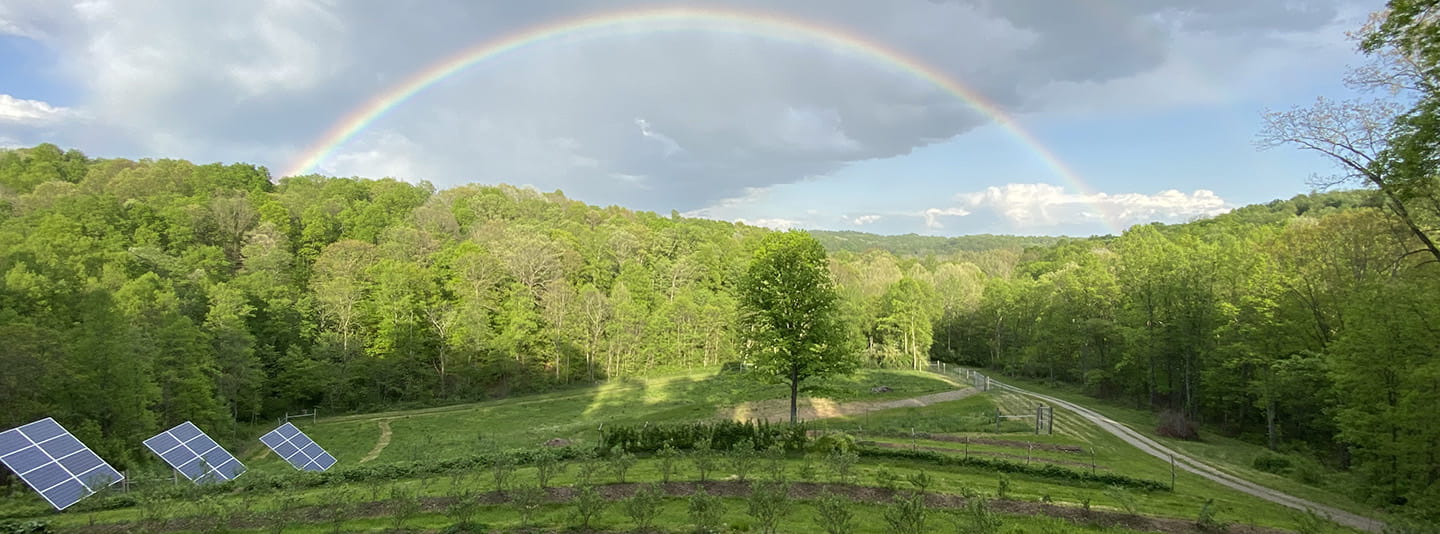
For nearly a decade, my family has lived on an off the grid homestead in rural Ohio. We power our house with solar panels combined with battery storage, and we harvest rainwater from the roof for our water supply. We also grow most of our food.
We have chosen this lifestyle for two primary reasons. First, we want to embody our values, practicing sustainability and living as lightly as we can on the earth while immersing ourselves in the natural world. Second, we seek to be resilient, capable of problem-solving and adapting to changing circumstances. Being self-reliant requires more work and greater responsibility than other paths we could take, but it also provides peace of mind that we can handle most things thrown our way.
Our lifestyle requires being attuned to weather, climate, and natural systems, since we directly depend on them. One trend we’ve noticed is that extreme weather is becoming more common due to human-induced climate change. For instance, our summers have been getting hotter and dryer, and when we get rain it’s often in the form of major thunderstorms with flooding and runoff but not much gentle soaking. Last summer, we had historic drought and high temperatures that were hard on our crops, ourselves, and nature. The conditions were so challenging that trees in the forest started dying.
While we got through the drought with a combination of conservation and adaptation, our region’s agriculture and water resources were severely impacted. Plants and animals in the forest struggled to cope with conditions they’re not accustomed to. To me, the drought was a warning sign that we urgently need to do more to address climate change and other environmental issues before we face catastrophic disruption.
As a society, I think we easily forget – or never knew – that we depend on a stable climate and resilient natural systems to support every aspect of our modern lives. We need fresh air, clean water, fertile soil, and consistent seasons to name a few. For most of human civilization, our impact on the broader world was small and benign, incapable of dramatically affecting things like climate. Then, our excesses and mistakes could be neutralized by nature’s durability. That is no longer the case. For example, humans and our livestock now make up 95% of the world’s mammal biomass; wild mammals are just 5%. Rather than a vast wilderness, the earth is now more like a managed farm.
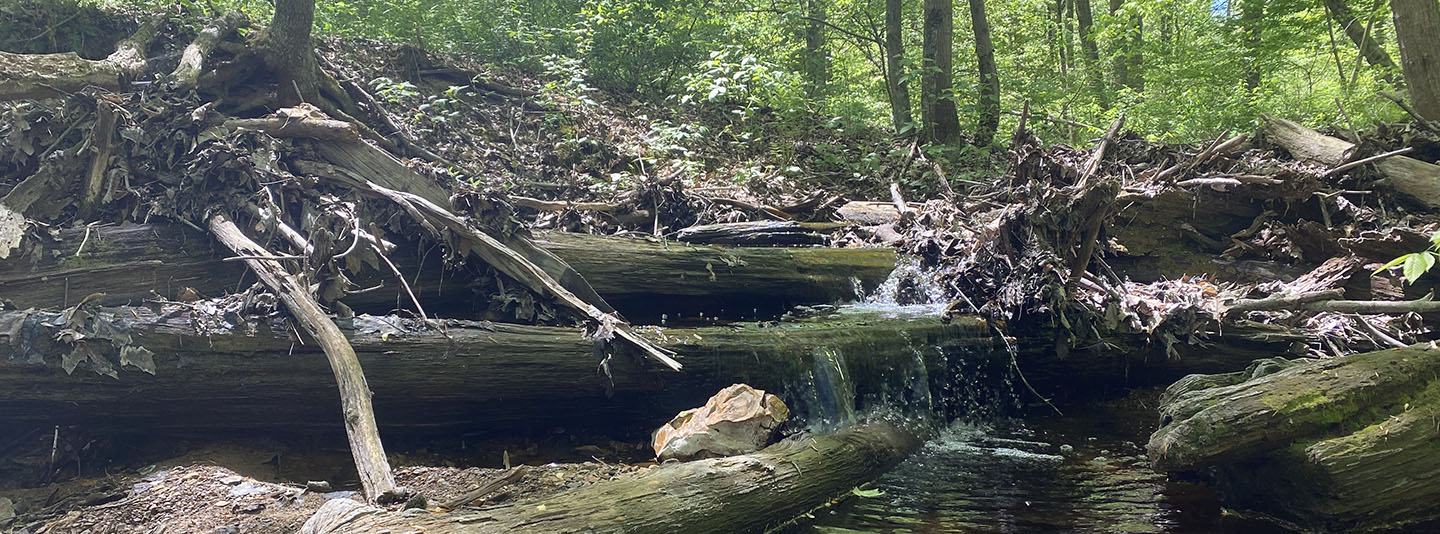
Humanity’s outsized impact on the world makes collective environmental action even more important. However, when confronted with choices, we almost always prioritize the option with the lowest immediate cost. Protections for nature – which ultimately benefit us, too – are sacrificed for political expediency or greed.
Many years ago, I read the quote: “We’ll go down in history as the first society that wouldn’t save itself because it wasn’t cost-effective.” It’s attributed to Kurt Vonnegut, and it stuck with me. Even as the fragility of our systems and the consequences of our actions are made increasingly clear, we continue to prioritize short-term economic gain over long-term health.
Earlier this year, for instance, the Environmental Protection Agency rescinded its Endangerment Finding, which had recognized greenhouse gases as a threat to our health and future. It gave the EPA a legal duty to limit the pollution that fuels climate change and degrades air quality. With this repeal, the EPA no longer has legal authority to regulate greenhouse gases. In short, it is likely to mean more pollution that will exacerbate existing problems. There are countless other examples.
I’m afraid that we won’t comprehend what we’ve lost until it’s gone. I’m a practical person and tend to share concrete, positive steps that people are taking to address environmental concerns. However, I think it’s important to acknowledge that we’re falling far short in caring for Creation. Pretending otherwise isn’t truthful or helpful.
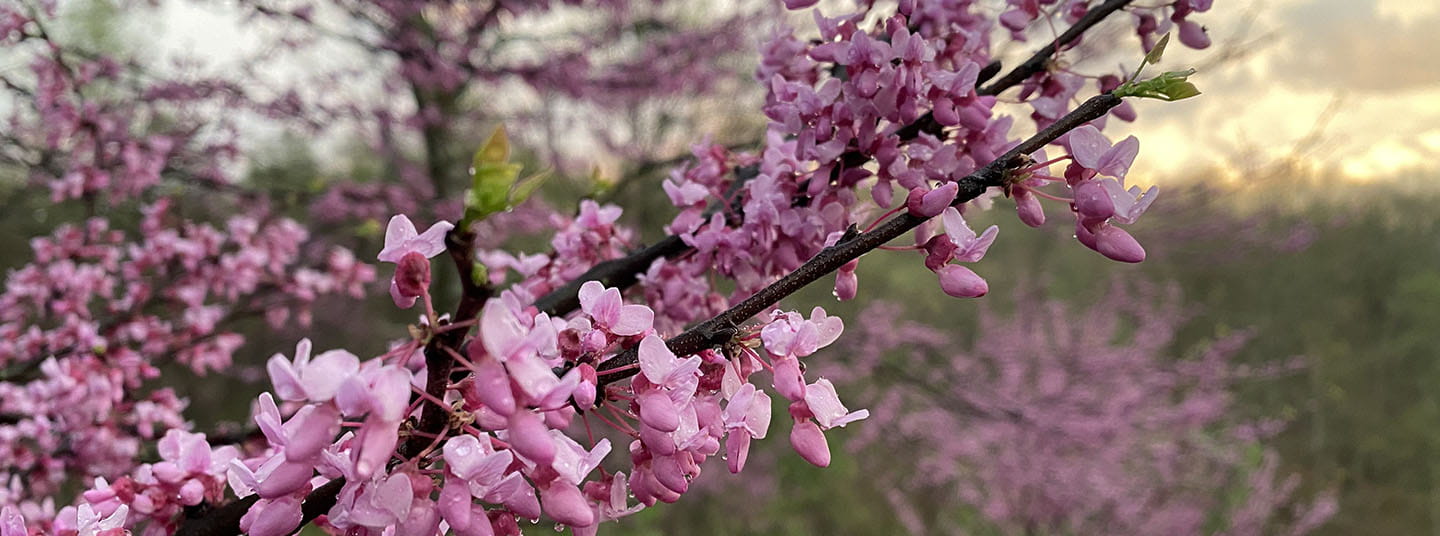
I’ve recently given myself some space to lament our situation. I grieve for humanity, but also for plants and animals and the rest of Creation that had no say in our predicament. It’s been helpful to admit what is happening, instead of dancing around hard truths, and it encouraged a much-needed reset in my thinking. I firmly believe that practical action is the best antidote to anxiety and grief. And so, despite the challenges, I’m continuing to pursue personal and system-wide action.
At Praxis Investment ManagementTM, we believe our role is to be stewards of God’s Creation, and that human flourishing requires thriving ecosystems as well as economies. We pursue impact strategies ranging from company engagement to impact bonds to community development investments that move us toward a more just and sustainable planet.
One of my roles is to engage companies to help them see the broader – and longer term – picture. Businesses can and must operate profitably without diminishing the capacity of the natural world to replenish itself, and they must be part of the solution to help our society prioritize care for Creation. I’ve been part of enough successful corporate dialogues to know that progress with companies is possible, and scaling up that progress is paramount.
Especially in these trying times, I believe it is our role as faithful caretakers to pursue sustainable and resilient actions across our dramatically changing world.
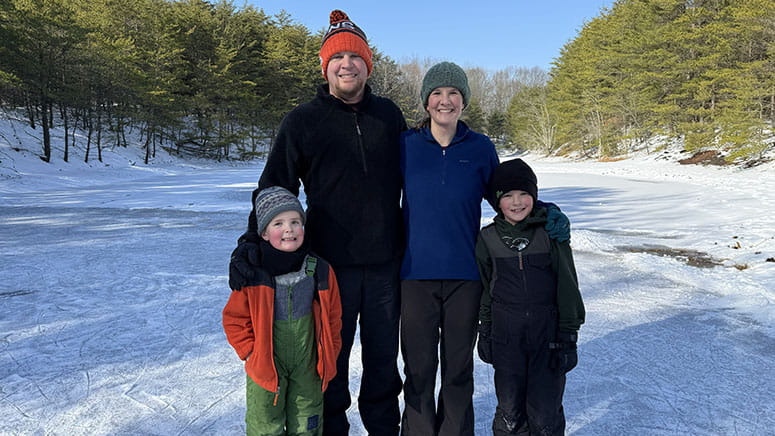
Note: All photos featured within the article were taken on the Meyer family homestead in Ohio.